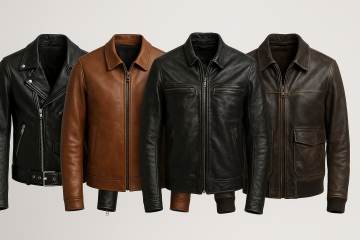
When it comes to biker jackets, choosing the right leather is crucial. A good biker jacket should offer protection, durability, and comfort while still looking stylish. In this article, we’ll explore the best leathers for biker jackets — cowhide, lambskin, and goatskin — and compare their strengths to help you make the best decision.
Introduction: Understanding Leather Options for Biker Jackets
Biker jackets are more than just a fashion statement; they are a functional piece of gear designed to protect riders on the road. Different types of leather offer distinct benefits. While cowhide is known for its strength and abrasion resistance, lambskin provides a softer and more stylish option, and goatskin strikes a balance between durability and flexibility. Whether you’re looking for maximum protection, a lightweight feel, or something in between, choosing the right leather can make a world of difference in both performance and style.
Cowhide Leather for Biker Jackets: Strength and Durability
Cowhide is one of the most popular materials used for biker jackets due to its thickness and durability. Known for being tough and heavy, cowhide provides excellent protection against abrasions in the event of a crash. It’s often the go-to material for serious riders who prioritize safety.
Because it’s a heavyweight leather, cowhide can be a bit stiff initially, but it softens over time, making it more comfortable with wear. Its wear resistance and long lifespan make it ideal for long rides and harsh conditions. This type of leather is also less prone to stretching, which ensures that the jacket maintains its shape for years to come.
Key features of cowhide:
- Excellent abrasion resistance
- Thick, durable material for maximum protection
- Softens with wear while maintaining its shape
Lambskin Leather for Biker Jackets: Softness and Style
For riders looking for a more stylish option, lambskin is a great choice. Unlike cowhide, lambskin is known for its softness and lightweight feel, making it ideal for those who prioritize comfort and fashion over ruggedness. Lambskin jackets have a luxurious texture and tend to have a sleeker, more modern design.
While lambskin may not be as durable as cowhide, it excels in providing a refined look. This leather is perfect for casual riders or those who want a biker jacket that works both on and off the bike.
However, lambskin’s delicate nature means it requires more care and maintenance. It’s less resistant to scratches and abrasions, so it’s better suited for lighter use rather than long, tough rides.
Key features of lambskin:
- Incredibly soft and lightweight
- Stylish, with a luxurious feel
- Requires more maintenance and care
Goatskin Leather for Biker Jackets: A Balance of Durability and Flexibility
If you’re looking for something that combines the best of both worlds, goatskin is an excellent option. It’s more durable than lambskin but still offers a lighter feel than cowhide. Goatskin has natural water resistance, which makes it a good choice for riders who face varying weather conditions.
Goatskin is known for its grain pattern and pliability, providing both strength and flexibility. It’s softer and more comfortable than cowhide but still tough enough to handle the road. This type of leather is often favored by riders who want a jacket that can move with them without sacrificing protection.
Key features of goatskin:
- Balanced durability and flexibility
- Naturally water-resistant
- Pliable and comfortable for long rides
Comparing Durability, Comfort, and Style
When comparing cowhide, lambskin, and goatskin, it’s clear that each leather type has its strengths and weaknesses. Cowhide offers the best protection and durability, making it the top choice for safety-conscious riders. Lambskin, on the other hand, is perfect for those who value style and comfort but may not need the same level of protection. Goatskin sits comfortably between the two, offering a mix of durability, flexibility, and comfort, making it an all-around great option.
- Durability: Cowhide > Goatskin > Lambskin
- Comfort: Lambskin > Goatskin > Cowhide
- Style: Lambskin > Goatskin > Cowhide
- Weather resistance: Goatskin > Cowhide > Lambskin
Your choice should depend on your riding habits and personal preferences. If you’re a frequent rider who prioritizes safety, cowhide is the way to go. For casual riders who want a jacket that can be worn anywhere, lambskin is ideal. If you need a bit of everything, goatskin offers a balanced solution.
Leather Care and Maintenance
Regardless of the type of leather you choose, proper maintenance is key to ensuring that your biker jacket lasts for years. Each leather type has unique care requirements:
- Cowhide: Regularly use a leather conditioner to maintain its durability and softness. Avoid excessive water exposure and clean it with a damp cloth.
- Lambskin: Requires more delicate care. Use a specialized leather cleaner and conditioner for lambskin, and store it in a cool, dry place to prevent cracking.
- Goatskin: Goatskin is naturally water-resistant, but you should still condition it occasionally to prevent drying out and cracking.
Properly maintaining your jacket will preserve its appearance and ensure that it remains functional for many rides to come.
Conclusion: Choosing the Best Leather for Your Needs
Ultimately, the best leather for your biker jacket depends on what you value most. Cowhide is the most durable, making it perfect for riders seeking maximum protection. Lambskin offers unmatched softness and style but requires more care, while goatskin provides a balance of flexibility, strength, and weather resistance.
By understanding the key differences between these leather types, you can choose a biker jacket that fits your riding lifestyle and personal style. Whether you’re hitting the open road or looking for a fashionable jacket to wear on casual occasions, selecting the right leather will ensure that you get the most out of your biker jacket for years to come.